Freshly Printed - allow 7 days lead
Couldn't load pickup availability
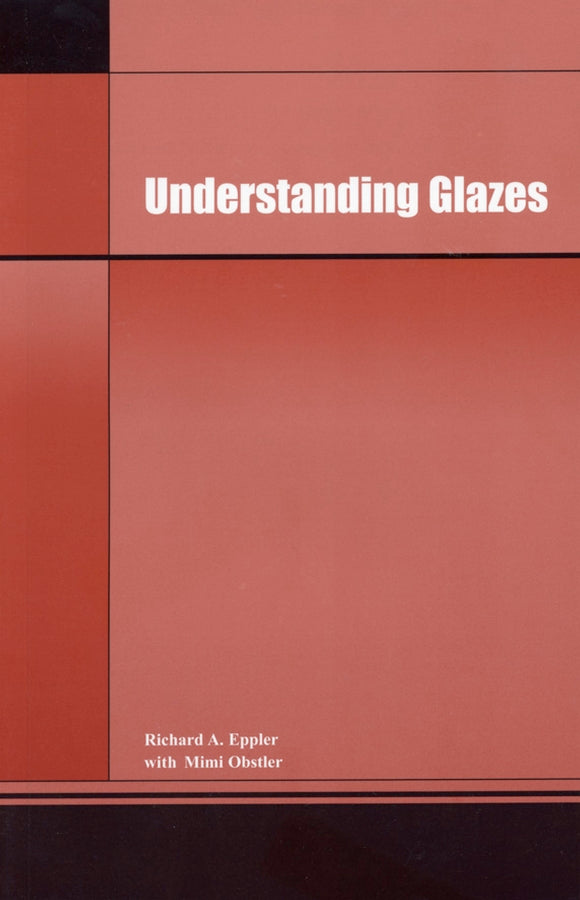
Understanding Glazes
Richard A. Eppler (Author), Mimi Obstler (Author)
9781574982220, Wiley
Paperback / softback, published 21 March 2006
336 pages
23.3 x 15 x 1.6 cm, 0.529 kg
Current advances in the formulation and chemical aspects of glazes and glass coatings make this comprehensive resource the most up-to-date reference on glazes for the ceramics industry and studio potter. By focusing on the process of making ceramic coatings, their chemical makeup, and the properties of these coatings, Understanding Glazes is a book that will appeal to a wide-ranging audience from industries involved in the manufacturing of tile, ceramic coating materials, sanitaryware, tableware, hobby and giftware to faculty and students in ceramic engineering, to studio potters.
INTRODUCTION. Method of Presentation. Function of the Oxides. Leadless Gloss Glazes. Lead Glazes. Opaque Glazes. Satin and Matte Glazes. Glazes for Aesthetic Effects. Additives to Produce Surface Effects. How Many Glazes Do I Need? Sources of Each of the Oxides. Raw Materials to Avoid. Frits. Kinetic Effects in Glazing. Batch to Oxide. The Role of Judgment. Oxide to Batch. Computer Programs. Binders. Deflocculants. Flocculants. Suspending Agents. Other Additives. Slip Rheology. What Is Color? Color Spaces. Color Measurement. Sources of Color in Vitreous Coatings. Solution Colors. Pigment Manufacture. Oxide Pigments. Cadmium Sulfoselenide and Inclusion Pigments. Purity of Color. Effect of Coating Constituents. Theory of Color Matching. Dipping. Spraying. Waterfall or Bell Coating. Dry Glazing. Centrifugal Glazing. Painting. Dry Application Techniques. Media. Choosing a Method of Decoration. Lining and Banding. Hand Painting. Spraying. Printing. Decalcomania. Stamping. Intermittent Kilns. Continuous Kilns. Comparison of Intermittent and Continuous Kilns. Fast-Firing. Reduction Firing. Firing Conditions. Adherence. Coating Fit. Measurement of Thermal Expansion (Contraction). Stresses on Cooling a Fused-On Coating. Prediction of Thermally Induced Stress. Prediction of Thermal Expansion Coefficients. Corrosion Processes. Effect of pH. Corrosion by Hydrofluoric Acid. Effect of Glaze Composition. Tests for Corrosion Resistance. Lead and Cadmium Release from Ceramic Coatings. Summary. Gloss Glazes. Satin and Matte Glazes. Bubble Defects. Surface Texture. Crazing and Peeling. Specking. Crawling. Metal Marking. Dunting. Cone 9-10 Celadon Glaze. Cone 9-10 Matte Glaze. Clear Gloss Glaze for Cone 9-10. Clear Gloss Glaze for Cone 5-6. Satin Glaze. Cone 1 Opaque White Gloss Glaze for Fast-Fire Tile. Cone 1 Opaque Colored Glaze for Fast-Fire Tile. Cone 1 Clear Gloss Glaze for Tile. Matte Glaze for Tile. Endnotes. Appendix I Manufacturers/Suppliers of Color Measuring Equipment. Appendix II Our Solution to the Batch Calculation Problem. Glossary. Index.
THE NATURE OF GLASS AND GLAZE STRUCTURE.
FORMULATION OF GLAZES.
RAW MATERIALS FOR CERAMIC COATINGS.
BATCH CALCULATIONS.
MILL ADDITIVES AND SLIP RHEOLOGY.
COLOR IN GLAZES.
MIXING AND MILLING.
APPLICATION TECHNIQUES.
DECORATION.
FIRING.
ADHERENCE AND FIT.
CHEMICAL DURABILITY.
SURFACES: GLOSS, SATIN, MATTE.
DEFECTS AND THEIR CONTROL.
PUTTING IT ALL TOGETHER.
CONCLUSION.
Subject Areas: Mechanical engineering & materials [TG]