Freshly Printed - allow 10 days lead
Couldn't load pickup availability
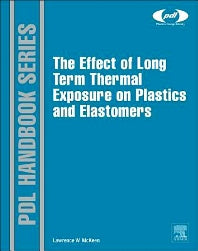
The Effect of Long Term Thermal Exposure on Plastics and Elastomers
Essential data and best practice guidance for engineers and product designers working in the plastics industry, and industry sectors that utilize plastics in high heat environments, such as automotive, aerospace, oil and gas, and more.
Laurence W. McKeen (Author)
9780323221085, Elsevier Science
Hardback, published 5 December 2013
296 pages
27.6 x 21.5 x 2.3 cm, 0.97 kg
This reference guide brings together a wide range of essential data on the effect of long term thermal exposure on plastics and elastomers, enabling engineers to make optimal material choices and design decisions. The data is supported by explanations of how to make use of the data in real-world engineering contexts. High heat environments are common in automotive, oil and gas, household appliances, coatings, space and aeronautics and many more end uses. As a result, thermal stability data are critically important to engineers designing parts particularly that replace metals, work that is common today as they look for ways to reduce weight. The data tables in this book enable engineers and scientists to select the right materials for a given product or application across a wide range of sectors. Several polymer classes are covered, including polyolefins, polyamides, polyesters, elastomers, fluoropolymers, biodegradable plastics and more, saving readers the need to contact suppliers. The book also includes introductory sections to provide background on plastic/polymer chemistry and formulation and plastic testing methods, providing the knowledge required to make best use of the data.
Subject Areas: Materials science [TGM], Rubber technology [TDCR], Plastics & polymers technology [TDCP], Condensed matter physics [liquid state & solid state physics PHFC]