Freshly Printed - allow 7 days lead
Couldn't load pickup availability
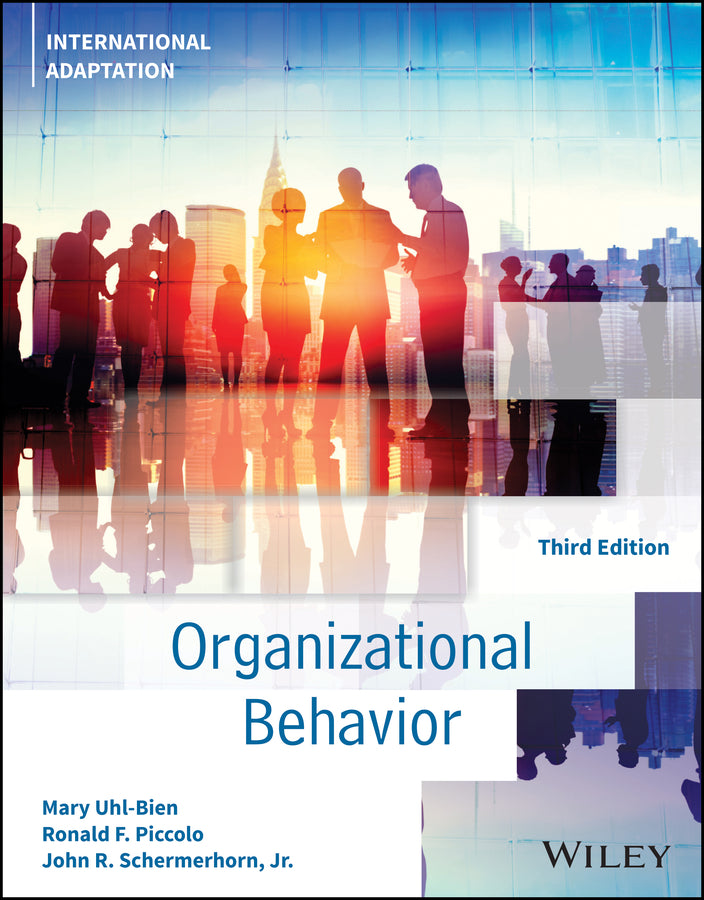
Organizational Behavior, International Adaptation
Mary Uhl-Bien (Author), Ronald F. Piccolo (Author), John R. Schermerhorn, Jr. (Author)
9781119889656, Wiley
Paperback / softback, published 20 November 2023
384 pages
27.4 x 21.8 x 1.5 cm, 0.824 kg
Organizational Behavior is a multidimensional text that combines analysis, knowledge, personal development, and synthesis with useful pedagogical features that bring organizational behavior to life. Considering organizational behavior from an interdisciplinary vantage point, this book focuses on the interdependence of factors that explain human behavior. Frequently addressed organizational behavior subjects are considered from within an integrated framework and are employed to answer functionally relevant questions about why people behave the ways in which they do as well as how to effectively influence and manage others. Including several exciting updates to content, chapter features, and the OB Skills Workbook, this international edition leverages the foundational content, engaged writing style, and practical appeal of previous editions to address critical trends in the modern workplace. The new content focuses on ethics, identity and diversity, strategy, organizational change, theory of organizational justice, innovation, perception management in organizations, leadership, and the impact of the COVID-19 pandemic on modern worklife.
TABLE OF CONTENTS Part 1: Why Do I Need to Study Organizational Behavior? 1 Introduction to Organizational Behavior 1.1 Organizational Behavior What Is Organizational Behavior? Why Is Organizational Behavior Important? How Do We Learn about Organizational Behavior? Disciplines That Contribute to Organizational Behavior Abstractness in Organizational Behavior 1.2 Critical Thinking What Is the Science of Organizational Behavior? What Does It Mean to Think Critically? Why Is It So Difficult to Think Critically? What Are the Steps in the Critical Thinking Process? 1.3 Ethics in OB What Are Ethics? A Framework for Ethical Decision Making Importance of Personal Ethical Fit Self-Test Chapter 1 Self-Test Answers Endnotes 2 Understanding Organizations 2.1 Organizational Strategy and Change What Is Strategy? Organizational Change and Adaptability Consequences of Change: Stress and Burnout 2.2 Organizational Structure What Is Organizational Structure? Mechanistic vs. Organic Organizational Design Team-Based Organizational Design Innovative and Flexible Organizational Design Why Do We Need Creativity and Innovation? 2.3 Organizational Culture What Is Organizational Culture? How Do We Identify an Organization’s Culture? How Can We Build More Effective Cultures? Self-Test Chapter 2 Self-Test Answers Endnotes Part 2: Why Do People Behave as They Do? 3.1 Personality Nature or Nurture? Are Personalities Stable? What Are Behavioral and Social Traits? What Are Self-Concept Traits? “The Dark Side” of Personality How Can We Assess Personality? 3.2 Emotions and Moods What Are Emotions and Moods? Coping with Stress: Job Demands–Resources Model What Is Emotional Intelligence? Cultural Aspects of Emotions and Moods 3.3 Attitudes and Behavior What Is an Attitude? What Are Job Attitudes? How Do Attitudes Influence Work Behavior? Negative Workplace Behaviors Self-Test Chapter 3 Self-Test Answers Endnotes 4 Perception and Bias 4.1 Perception and Cognitive Bias What Is Perception? What Is Attribution? Cognitive Bias Perception Management in Organizations 4.2 Identity and Social Bias What Are Common Types of Self-Identities? How Does Identity Affect Behavior? Identity Threat Social Bias 4.3 Perspective Taking and Diversity Perspective Taking Perspective Taking and Diversity Benefits of Perspective Taking Learning to Take Another’s Perspective Using Perspective Taking to Enhance Diversity and Inclusion Self-Test Chapter 4 Self-Test Answers Endnotes 5 Motivation 5.1 Motivation and Performance Management What Is Motivation? Pay for Performance What Is Performance Management? How Do We Create More Motivating Environments? 5.2 Needs Theories of Motivation Maslow’s Hierarchy of Needs Alderfer’s ERG Theory Manifest Needs Theory Self-Determination Theory (SDT) 5.3 Process Theories of Motivation Equity Theory Self-Test Chapter 5 Self-Test Answers Endnotes Part 3: How Do I Effectively Manage Myself and Influence Others? 6 Communication 6.1 Influence and Persuasion What Is Framing? How Can We Communicate with Charisma? Why Are Stories So Persuasive? Don’t Forget the Nonverbals 6.2 Difficult Conversations What Is Avoidance and Why Does It Happen? What Is a Difficult Conversation and When Should We Have One? What Are the Skills for Having Difficult Conversations? 6.3 Feedback and Listening What Is Developmental Feedback? What Are Active Listening Skills? Self-Test Chapter 6 Self-Test Answers Endnotes 7 Teamwork 7.1 Team Effectiveness What Makes a Team Effective? How Can We Set Teams Up for Success? How Does Member Diversity Affect Team Performance? 7.2 Team Dynamics What Are Roles and Role Dynamics? What Are Norms? What Are Other Important Team Dynamics? 7.3 High-Performance Teams How Do We Build a High-Performance Team? What Is the Role of Team Cohesiveness? How Can We Improve Team Decision Making? Self-Test Chapter 7 Self-Test Answers Endnotes 8 Leadership and Followership 8.1 Leadership as Co-Creation What Is Leadership? How Does Leadership Work? Leadership as Social Construction 8.2 Leader Styles What Makes Leaders Successful? Ways We Act as Leaders 8.3 Follower Styles What Is Followership? Follower Styles Self-Test Chapter 8 Self-Test Answers Endnotes 9 Power and Politics 9.1 Power What Is Power? Where Does Power Come From? How Is Power Gained and Lost? 9.2 Building Power Bases What Is Position Power? What Are Responses to Position Power? What Is Personal Power? What Is Connection Power? What Are Responses to Personal and Connection Power? How to Develop and Maintain Power Bases? 9.3 Navigating the Political Landscape Why Do We Have Organizational Politics? How Do We Understand Organizational Politics? How Do I Navigate Organizational Politics? 9.4 Theory of Organizational Justice Understanding the Concept of Organizational Justice Understanding the Intersection between Justice, Power, and Politics Self-Test Chapter 9 Self-Test Answers Endnotes 10 Relationships and Networks 10.1 Interpersonal Relationships What Kinds of Relationships Matter? How Are Relationships Developed? How Do We Build and Maintain Good Relationships? 10.2 Networks What Are Networks? How Do Networks Work? 10.3 Leveraging Your Network Networks and Social Capital How Do We Leverage a Network? Using Your Network to Advance Your Career Self-Test Chapter 10 Self-Test Answers Endnotes 11 Conflict, Negotiation, and Decision Making 11.1 Conflict What Are the Types of Conflict? How Can I Guard Against Common Conflict Management Pitfalls? 11.2 Negotiation Why Negotiate? How Do I Negotiate? How Can I Guard Against Common Negotiation Pitfalls? 11.3 Decision Making What Are Common Approaches to Decision Making? How Can I Be a Better Decision Maker? Guarding Against Common Decision-Making Pitfalls? Self-Test Chapter 11 Self-Test Answers Endnotes OB SKILLS WORKBOOK GLOSSARY TABLE OF CONTENTS Part 1: Why Do I Need to Study Organizational Behavior? 1 Introduction to Organizational Behavior 1.1 Organizational Behavior What Is Organizational Behavior? Why Is Organizational Behavior Important? How Do We Learn about Organizational Behavior? Disciplines That Contribute to Organizational Behavior Abstractness in Organizational Behavior 1.2 Critical Thinking What Is the Science of Organizational Behavior? What Does It Mean to Think Critically? Why Is It So Difficult to Think Critically? What Are the Steps in the Critical Thinking Process? 1.3 Ethics in OB What Are Ethics? A Framework for Ethical Decision Making Importance of Personal Ethical Fit Self-Test Chapter 1 Self-Test Answers Endnotes 2 Understanding Organizations 2.1 Organizational Strategy and Change What Is Strategy? Organizational Change and Adaptability Consequences of Change: Stress and Burnout 2.2 Organizational Structure What Is Organizational Structure? Mechanistic vs. Organic Organizational Design Team-Based Organizational Design Innovative and Flexible Organizational Design Why Do We Need Creativity and Innovation? 2.3 Organizational Culture What Is Organizational Culture? How Do We Identify an Organization’s Culture? How Can We Build More Effective Cultures? Self-Test Chapter 2 Self-Test Answers Endnotes Part 2: Why Do People Behave as They Do? 3 Individual Differences 3.1 Personality Nature or Nurture? Are Personalities Stable? What Are Behavioral and Social Traits? What Are Self-Concept Traits? “The Dark Side” of Personality How Can We Assess Personality? 3.2 Emotions and Moods What Are Emotions and Moods? Coping with Stress: Job Demands–Resources Model What Is Emotional Intelligence? Cultural Aspects of Emotions and Moods 3.3 Attitudes and Behavior What Is an Attitude? What Are Job Attitudes? How Do Attitudes Influence Work Behavior? Negative Workplace Behaviors Self-Test Chapter 3 Self-Test Answers Endnotes 4 Perception and Bias 4.1 Perception and Cognitive Bias What Is Perception? What Is Attribution? Cognitive Bias Perception Management in Organizations 4.2 Identity and Social Bias What Are Common Types of Self-Identities? How Does Identity Affect Behavior? Identity Threat Social Bias 4.3 Perspective Taking and Diversity Perspective Taking Perspective Taking and Diversity Benefits of Perspective Taking Learning to Take Another’s Perspective Using Perspective Taking to Enhance Diversity and Inclusion Self-Test Chapter 4 Self-Test Answers Endnotes 5 Motivation 5.1 Motivation and Performance Management What Is Motivation? Pay for Performance What Is Performance Management? How Do We Create More Motivating Environments? 5.2 Needs Theories of Motivation Maslow’s Hierarchy of Needs Alderfer’s ERG Theory Manifest Needs Theory Self-Determination Theory (SDT) 5.3 Process Theories of Motivation Equity Theory Self-Test Chapter 5 Self-Test Answers Endnotes Part 3: How Do I Effectively Manage Myself and Influence Others? 6 Communication 6.1 Influence and Persuasion What Is Framing? How Can We Communicate with Charisma? Why Are Stories So Persuasive? Don’t Forget the Nonverbals 6.2 Difficult Conversations What Is Avoidance and Why Does It Happen? What Is a Difficult Conversation and When Should We Have One? What Are the Skills for Having Difficult Conversations? 6.3 Feedback and Listening What Is Developmental Feedback? What Are Active Listening Skills? Self-Test Chapter 6 Self-Test Answers Endnotes 7 Teamwork 7.1 Team Effectiveness What Makes a Team Effective? How Can We Set Teams Up for Success? How Does Member Diversity Affect Team Performance? 7.2 Team Dynamics What Are Roles and Role Dynamics? What Are Norms? What Are Other Important Team Dynamics? 7.3 High-Performance Teams How Do We Build a High-Performance Team? What Is the Role of Team Cohesiveness? How Can We Improve Team Decision Making? Self-Test Chapter 7 Self-Test Answers Endnotes 8 Leadership and Followership 8.1 Leadership as Co-Creation What Is Leadership? How Does Leadership Work? Leadership as Social Construction 8.2 Leader Styles What Makes Leaders Successful? Ways We Act as Leaders 8.3 Follower Styles What Is Followership? Follower Styles Self-Test Chapter 8 Self-Test Answers Endnotes 9 Power and Politics 9.1 Power What Is Power? Where Does Power Come From? How Is Power Gained and Lost? 9.2 Building Power Bases What Is Position Power? What Are Responses to Position Power? What Is Personal Power? What Is Connection Power? What Are Responses to Personal and Connection Power? How to Develop and Maintain Power Bases? 9.3 Navigating the Political Landscape Why Do We Have Organizational Politics? How Do We Understand Organizational Politics? How Do I Navigate Organizational Politics? 9.4 Theory of Organizational Justice Understanding the Concept of Organizational Justice Understanding the Intersection between Justice, Power, and Politics Self-Test Chapter 9 Self-Test Answers Endnotes 10 Relationships and Networks 10.1 Interpersonal Relationships What Kinds of Relationships Matter? How Are Relationships Developed? How Do We Build and Maintain Good Relationships? 10.2 Networks What Are Networks? How Do Networks Work? 10.3 Leveraging Your Network Networks and Social Capital How Do We Leverage a Network? Using Your Network to Advance Your Career Self-Test Chapter 10 Self-Test Answers Endnotes 11 Conflict, Negotiation, and Decision Making 11.1 Conflict What Are the Types of Conflict? How Can I Guard Against Common Conflict Management Pitfalls? 11.2 Negotiation Why Negotiate? How Do I Negotiate? How Can I Guard Against Common Negotiation Pitfalls? 11.3 Decision Making What Are Common Approaches to Decision Making? How Can I Be a Better Decision Maker? Guarding Against Common Decision-Making Pitfalls? Self-Test Chapter 11 Self-Test Answers Endnotes OB SKILLS WORKBOOK GLOSSARY
3 Individual Differences
Subject Areas: Business & management [KJ]