Freshly Printed - allow 7 days lead
Couldn't load pickup availability
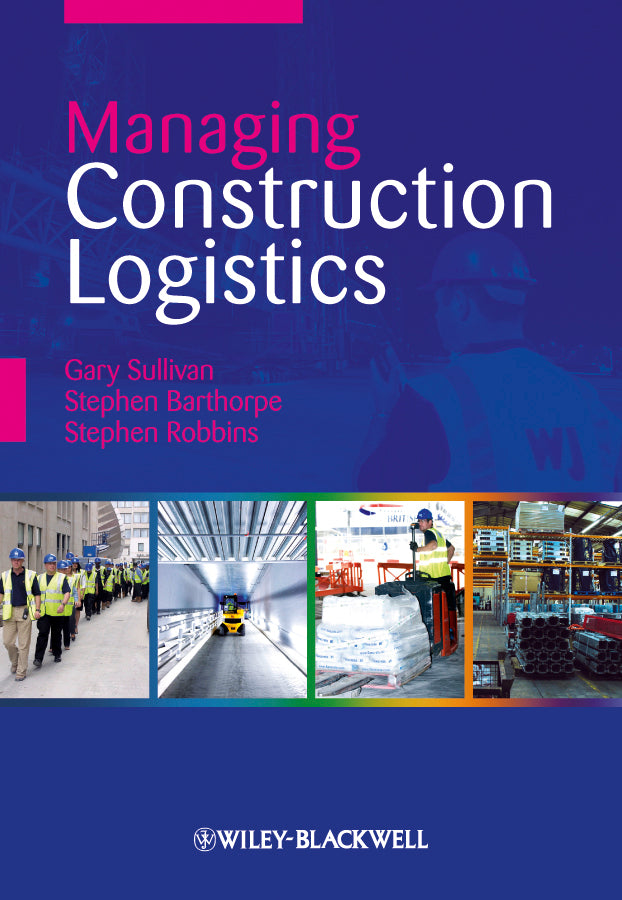
Managing Construction Logistics
Gary Sullivan (Author), Stephen Barthorpe (Author), Stephen Robbins (Author)
9781405151245, Wiley
Paperback / softback, published 9 July 2010
304 pages
24.4 x 17 x 1.6 cm, 0.644 kg
"I can commend this book to both industry professionals, to academics and to students in the field of construction management. I would recommend that potential readers not follow my example but rather follow the advice of the King in Alice in Wonderland and begin at the beginning and go on till you come to the end: then stop." (Australasian Journal of Construction Economics and Building, 1 April 2010) "Practical, clear and accessible. First book to address logistics in construction. Written by the industry-recognized logistics experts. Tackles issues of key concern: efficient use of labor; sustainability; waste and supply chain management." (Medicaster, 29 October 2010) "This guide emphasises the benefits of good logistics in construction and includes many detailed case studies. "I believe constructors ignore this book at their peril," says Peter Rogers CBE, chairman of the Green Building Council." (Construction Manager, September 2010)
Dieses Praktikerbuch macht die Vorteile guter Logistik und die Nutzung von Synergien bei Bauprojekten deutlich. Schlanke Transportabläufe, niedrigere Lagerhaltung, weniger Abfall und der effizientere Einsatz von qualifizierten Mitarbeitern lassen die Projektkosten sinken, reduzieren die Bauzeit, sorgen für höhere Qualität, senken Gesundheits- und Sicherheitsrisiken und verbessern allgemein das Image der Baubranche.
Foreword. Preface. About the Book. About the Authors. Dedication and Acknowledgements. Glossary of Abbreviations. Introduction. Section 1: Contextualising Logistics for Construction. 1 The Origins of Logistics. Definitions and origins of logistics. The military origins of logistics. Modern military logistics. Parallel lines: construction and the military. References. Section 2: Construction Logistics in Practice. 2 Construction Logistics in Practice. Development of logistics. Construction industry logistics. Comparing construction with manufacturing. Construction industry: traditional approach to logistics. Construction industry: dedicated approach to logistics. Cultural barriers to implementing integrated logistics in the construction industry. Resistance to change. Logistics constraints. References. 3 An Introduction to Practical Logistics. Planning is everything. Waste not, want not? Communication is the key. Standardisation and pre-assembly in construction. Creating professional logistics operations in the construction industry. Small sites. Practical completion. References. 4 Mobilisation and Resourcing the Team. Mobilisation and site set-up. Resourcing the logistics team. The background. Contractual norms and logistics management. Issues in current practice. The specialist construction logistics contractor. Employment and training. References. 5 Materials Delivery and Handling. Contractual issues and current practice. Getting materials to the site. Common user plant: tower cranes. Common user plant: lifts and hoists. The scope and potential of common user plant. Couriers. Alternative forms of transport. Distribution. Batching plants or concrete deliveries? Barcodes and radio-frequency identification. Consolidation centres. References. 6 Transport and Communications. Introduction to traffic management. Managing construction traffic on the highways. Managing access points. Car parking. Managing haul roads. Wheel washes. An overview of communications. The site logistics meeting. Learning from the site. Communication tools. Signage. References. 7 Managing Critical Risks. Importance of fire management. Causes of fire. The fire safety plan. Evacuation plans. Fire marshals and fire wardens. Contractual barriers to a seamless response. Introduction to first aid and occupational health. Creating the right level of first-aid provision. First-aid equipment. Dealing with emergencies. Occupational health. References. Further information. 8 Security. The remit of the security team. Managing access to site. Night security. Dogs. Alarms. Special measures. References. 9 Coordinating Infrastructure and Services. Catering. Temporary accommodation. Temporary services. References. 10 Waste Management and Good Housekeeping. Procurement of waste management services. What is waste? Challenges to good housekeeping on site. A professional approach to waste management. Potentials for further improvement. Housekeeping. Sanitary facilities. Achieving good housekeeping. References. Section 3: The Future of Construction Logistics. 11 Construction Consolidation Centres. Consolidation centre concept. Construction logistics consolidation centres: an outline. The benefits of using a consolidation centre. The challenges of pricing the logistics element of a contract. Change management. The consolidation centre methodology. Warehouse management systems. Materials identification and tagging systems. Value stream mapping. The cost benefits of a consolidation centre. Increasing the availability of materials. Advantages offered to materials suppliers: better use of delivery vehicles. Realising cost savings. Non-financial benefits of the consolidation centre. Increased accountability. Environment. The social benefits of good supply chain management and logistics techniques. Socially responsible supply chain management and logistics. Considering the future application of the consolidation centre methodology. Important considerations for the future. References. 12 Case Studies. Introduction. Case Study 1: Construction Logistics: The Heartbeat of a Project. Case Study 2: Prescription to Reduce Waste: AstraZeneca. Case Study 3: Consolidated Loads: The Answer to Space- and Access-constrained Sites. Case Study 4: Come Up and See Me Some Time: The Value of Occupational Health. Case Study 5: Terminal 5: Delivering Europe's Largest Construction Project Just in Time. Case Study 6: Security Services at Tate Modern and Tate Britain. Case Study 7: Refurbishment at Unilever House: Delivering Sustainability. Conclusion: The Argument for Change. Index.
Subject Areas: Civil engineering, surveying & building [TN]