Freshly Printed - allow 7 days lead
Couldn't load pickup availability
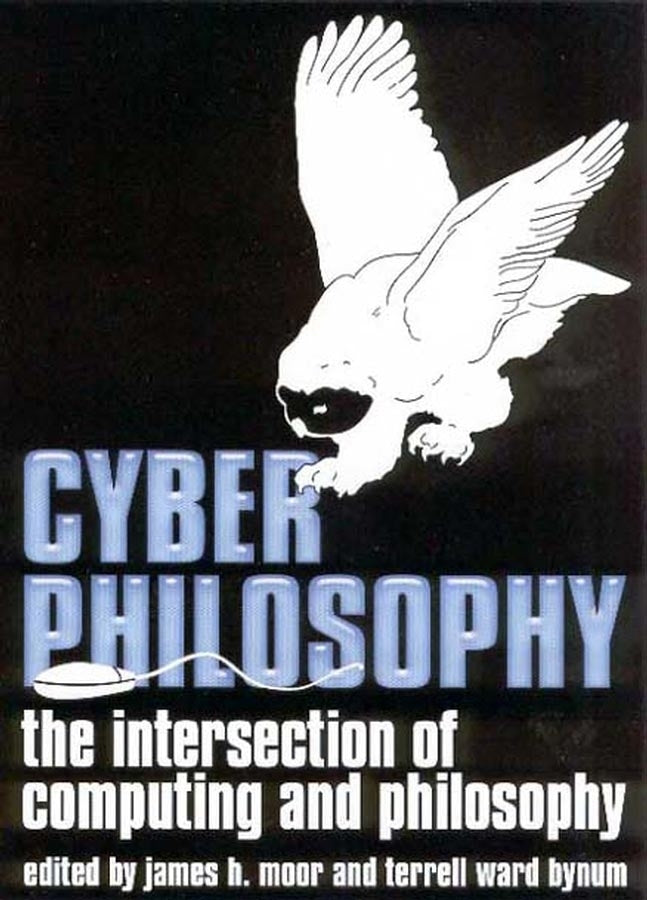
CyberPhilosophy
The Intersection of Philosophy and Computing
James H. Moor (Edited by), Terrell Ward Bynum (Edited by)
9781405100731, Wiley
Paperback / softback, published 12 December 2002
316 pages
23.1 x 15.5 x 1.9 cm, 0.454 kg
This cutting edge volume provides an overview of the dynamic new field of cyberphilosophy – the intersection of philosophy and computing. .
1. Minds and Computers:. Synthetic Neuroethology: Pete Mandik. Computer Modeling and the Fate of Folk Psychology: John Barker. Philosophy of Mind, Cognitive Science, and Pedagogical Technique: Marvin Croy. Phenomenology and Artificial Intelligence: Anthony F. Beavers. 2. Agency and Computers:. Adaptable Robots: Gene Korienek and William Uzgalis. A Radical Notion of Embeddedness: A Logically Necessary Precondition for Agency and Self-Awareness: Susan Stuart. Building Simple Mechanical Minds: Using LEGO© Robots for Research and Teaching in Philosophy: John P. Sullins. 3. Reality and Computers:. What Is the Philosophy of Information?: Luciano Floridi. The Substantive Impact of Computers on Philosophy: Prolegomena Computational and Information-Theoretic Metaphysics: Randall R. Dipert. Computation and Causation: Richard Scheines. 4. Communication and Computers:. Philosophy for Computers: Some Explorations in Philosophical Modeling: Patrick Grim. The Stanford Encyclopedia of Philosophy: A Developed Dynamic Reference Work: Colin Allen, Uri Nodelman, and Edward N. Zalta. Cultures in Collision: Philosophical Lessons from Computer-Mediated Communication: Charles Ess. 5. Ethics and Computers:. Heuristic Methods for Computer Ethics: Walter Maner. Lilliputian Computer Ethics: John Weckert. Deontic Logic and Computer-Supported Computer Ethics: Jeroen van den Hoven and Gert-Jan Lokhorst.
Subject Areas: Philosophy [HP]