Freshly Printed - allow 7 days lead
Couldn't load pickup availability
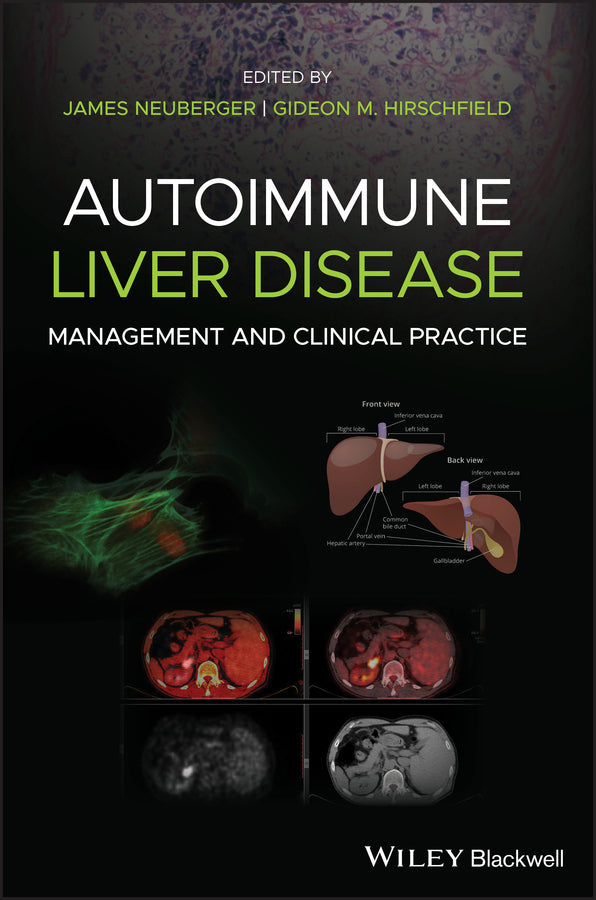
Autoimmune Liver Disease
Management and Clinical Practice
James Neuberger (Edited by), J Neuberger (Author), Gideon M. Hirschfield (Edited by)
9781119532606, Wiley
Hardback, published 2 April 2020
336 pages
25.9 x 18.5 x 3 cm, 0.885 kg
Ein praxisorientierter Leitfaden zu autoimmunen Lebererkrankungen, Pathogenese, Diagnose und Management.
Autoimmune Liver Disease Management and Clinical Practice erläutert alles Wissenswerte zum aktuellen Forschungsstand autoimmuner Lebererkrankungen und legt dabei den Schwerpunkt auf Diagnose und Behandlung. Nach einer ausführlichen Darstellung der heutigen Erkenntnisse in der Immunologie in Verbindung mit der Autoimmunität der Leber werden die vier wichtigsten autoimmunen Lebererkrankungen bei Erwachsenen und Kindern erläutert, einschließlich Management, Rolle von Lebertransplantationen, erprobte Ansätze des Patientenmanagements und Empowerment-Ansätze.
Die Autoren, Experten des Fachgebiets, untersuchen im Detail autoimmune Lebererkrankungen und geben Kliniker Handreichungen zur Patientenunterstützung. Die folgenden Themenkomplexe werden unter anderem ausführlich behandelt:
- Die vier autoimmunen Lebererkrankungen, deren Diagnose und Behandlungsoptionen.
- Einsatz (und Missbrauch) von Autoantikörpern bei Diagnose und Behandlung.
- Rolle und Zeitpunkt von Lebertransplantationen und die Auswirkung auf wiederkehrende autoimmune Lebererkrankungen und De-novo-Autoimmunhepatitis.
- Optimales Patientenmanagement und patientenbezogene Pflege.
Dieses Referenzwerk zeigt umfassend, im Detail und mit alltäglichem Praxisbezug die jüngsten Entwicklungen beim Management von Lebererkrankungen und richtet sich an Ärzte, Pflegepersonal und Experten im Gesundheitswesen.
Preface xv Contributors xvii Abbreviations xxi Introduction: The Paradigm and Paradox of Liver Autoimmunity 1 Section I Scientific Basis of Clinical Autoimmune Liver Diseases 3 1 Introduction to the Physiology, Immunology and Pathology of the Liver and Biliary Tree 5 Key Points 5 Liver Cell Types and Organization 6 Hepatic Metabolism 7 Bilirubin Metabolism and Transport 7 Carbohydrate Metabolism 7 Lipid Metabolism 8 Protein Metabolism 8 Metabolic Zonation 8 Hepatic Transport Systems 9 Basolateral (Sinusoidal) Transporters 9 Apical (Canalicular) Transporters 11 Drug Metabolism 11 Bile Formation, Secretion and the Enterohepatic Circulation 12 Bile Acid Synthesis and Metabolism 13 Enterohepatic Bile Acid Circulation 13 Death and Regeneration of Hepatocytes 14 Cell Death 14 Liver Regeneration 15 Cholangiocyte Reaction to Biliary Damage 16 Protective Role of Biliary HCO3 − Secretion 16 Cholangiocytes and Immunity 16 Biochemical Markers and Patterns of Hepatic Injury 17 Hepatocellular Necrosis 18 Cholestasis 18 References 20 2 Concepts of Autoimmunity Relevant to Autoimmune Liver Diseases 21 Key Points 21 Introduction 22 Role of Innate and Adaptive Immunity in Autoimmunity in the Context of the Liver as an Immune Organ 22 Overview 22 Innate Immunity 23 Liver as an Innate Immune Organ 25 Adaptive Immunity and Adaptive Immune Functions of the Liver 25 Role of the Liver as an Adaptive Immune Organ 28 Generation and Maintenance of Tolerance to Self‐antigens 28 Overview 28 Central Tolerance 29 Central T‐cell Tolerance 29 Central B‐cell Tolerance 29 Peripheral Tolerance 30 T‐ and B‐cell Clonal Anergy 30 T‐cell Mediated Immune Regulation 30 Natural and Inducible T Regulatory Cells 30 Peripheral B‐cell Regulatory Mechanisms 31 Regulatory Dendritic Cells 31 Immunoregulatory Interplay Between Treg and Th17 Cells 31 Risk Factors for Autoimmune Diseases 31 Genetics 31 Complex Genetic and Monogenic Diseases 31 HLA Risk Alleles 32 Non‐HLA Gene Associations 32 Critical Role of Epigenetics 33 Transcription Factor Enhancers and Super Enhancers 33 MicroRNAs 33 Sex and Sex Hormones 33 Vitamin D and Sunlight Exposure 34 Loss of Immune Tolerance to Autoantigens and Perpetuation of Autoimmune Diseases 34 Overview 34 Role of the Microbiome 35 Mechanisms of Loss of Tolerance to Autoantigens 35 Bacterial and Viral Infections 35 Molecular Mimicry of Autoantigens 36 Neoantigens 36 Failure of Apoptosis to Conceal Autoantigens and Eliminate Autoreactive Cells 36 Immune Deviation of Activated T Cells 37 T‐cell Receptor Revision in the Periphery 37 Perpetuation of Autoimmune Diseases 37 Epigenetics 37 Epitope Spreading 38 Tissue Memory T Cells 38 Cytokines Promoting Chronic Inflammation and Autoimmunity 38 Tertiary Lymphoid Structures and Germinal Centers 39 Epithelial Cell‐induced Transformation of iTreg to Th17 Cells 39 Prevention of Autoimmunity and Therapeutic Control of Autoimmune Diseases 39 Overview 39 Strategies to Prevent Autoimmunity 39 Vitamin D3 39 Gut Microbiota Manipulation in Pregnancy and Infancy 39 Oral Tolerance 39 Strategies to Treat Established Autoimmune Diseases 40 Inducible T Regulatory T Cells 40 Epigenetic Enhancer Regulation 40 References 44 3 Genetics and Risk of Autoimmune Liver Diseases 47 Key Points 47 Introduction 48 HLA Associations in Autoimmune Liver Disease 50 Non‐HLA Associations in Autoimmune Liver Disease 53 Conclusion 61 References 62 4 Autoantibodies and Understanding of Autoimmune Liver Diseases 65 Key Points 65 Introduction 66 Methods of Detection 66 Anti‐nuclear Antibody 68 History 68 Immunofluorescence Reactivities and Antigenic Targets 68 Clinical Significance in Autoimmune Liver Disease 70 Anti‐smooth Muscle and Anti‐actin Antibodies 73 History 73 Immunofluorescence Reactivities, Antigenic Targets, and Clinical Significance 73 Anti‐liver‐kidney Microsomal Antibody 74 History 74 Immunofluorescence Reactivities, Antigenic Targets, and Clinical Significance 75 Anti‐liver Cytosol Type 1 Antibody 76 History 76 Immunofluorescence Reactivities, Antigenic Targets, and Clinical Significance 76 Anti‐soluble Liver Antigen Antibody 76 History 76 Immunofluorescence Reactivities, Antigenic Targets, and Clinical Significance 77 Anti‐neutrophil Cytoplasmic Antibody 77 History 77 Immunofluorescence Reactivities, Antigenic Targets, and their Clinical Significance 77 Anti‐mitochondrial Antibody 78 History 78 Immunofluorescence Reactivities, Antigenic Targets, and their Clinical Significance 78 Anti‐asialoglycoprotein Receptor Antibody 79 History 79 Immunofluorescence Reactivities, Antigenic Targets, and their Clinical Significance 79 Indications for Autoimmune Liver Serology Testing 79 Concluding Remarks 81 References 82 5 Environmental Exposure and Risk in Autoimmune Liver Diseases 83 Key Points 83 Introduction 84 Autoimmunity 84 Interaction of Genes and Environmental Triggers in Autoimmunity 85 Mechanisms for Triggering Autoimmunity 86 Primary Biliary Cholangitis 89 Geo‐epidemiology, Clusters, and Case–Control Studies of PBC 92 Bacterial Infection and PBC 93 Xenobiotics and PBC 96 Viruses in PBC 97 Autoimmune Hepatitis 99 Prospectus 101 References 102 Section II Autoimmune Liver Diseases and Their Clinical Correlation 103 6 Autoimmune Hepatitis 105 Key Points 105 Introduction 106 Definition and Pathophysiology 106 Epidemiology 107 Presentation 108 Adult‐onset AIH 108 Pediatric‐onset AIH 109 Diagnosis 109 Autoimmune Sclerosing Cholangitis 112 Treatment 112 Therapeutic Approach in Adults 113 First-line Therapy 113 Withdrawal of Therapy 114 Second‐line Options 114 Therapeutic Approach in Children 115 First-line Therapy 115 Withdrawal of Therapy 115 Second‐line Options 115 Prognosis 116 Adulthood 116 Childhood 116 References 118 7 Primary Biliary Cholangitis 123 Key Points 123 Introduction and Definition 124 Epidemiology 124 Etiopathogenesis 125 Clinical Presentation 126 Asymptomatic Patients 126 Symptomatic Patients 126 Diagnosis 127 Biochemical Tests 127 Autoantibodies 128 Liver Biopsy 128 Imaging 130 Differential Diagnosis 130 Natural History 130 Disease Course in the UDCA Era 131 Risk Stratification 132 Treatment 134 Ursodeoxycholic Acid 134 Obeticholic Acid 135 Fibric Acid Derivatives 136 Budesonide 137 Liver Transplantation 137 Symptom Management 137 Complications of Liver Disease 139 Osteoporosis 139 Advanced Liver Disease 140 Varices 140 HCC 140 Useful Websites 141 References 141 8 Primary Sclerosing Cholangitis 143 Key Points 143 Introduction 144 Definition 145 Adult PSC 145 Epidemiology 145 Diagnosis 146 Diagnosis of Variant Phenotypes 147 Presentation 147 Malignancy 149 Cholangiocarcinoma 149 Gallbladder Cancer 150 Colorectal Cancer 150 Prognosis 150 Risk Stratification: Clinical Characteristics 150 Natural History Models 151 ALP and Bilirubin 151 Non‐invasive Evaluation of Fibrosis 151 Treatment 152 Medical Treatment 152 Bile Acid Therapy 153 Microbiota Modulators 153 Anti-inflammatory Treatment 154 Antibiotic Therapy 154 Endoscopic Treatment 154 Surveillance for Malignancy 154 Colorectal Cancer: Colonoscopy 155 Gallbladder Cancer: Ultrasound 155 Hepatocellular Cancer: Ultrasound 155 Cholangiocarcinoma 155 Bone Mineral Density 155 Juvenile Sclerosing Cholangitis 155 Epidemiology in Pediatric Disease 155 Autoimmune Sclerosing Cholangitis 156 Diagnosis in Children 156 Clinical Features in Pediatric Disease 158 Treatment of Pediatric Disease (ASC and Juvenile PSC) 158 Prognosis in Pediatric Disease 159 Conclusion 159 References 160 9 IgG4‐Related Liver and Biliary Disease 163 Key Points 163 Introduction and Historical Perspective 164 Etiology and Pathogenesis of IgG4‐RD 165 Development and Characteristics of an IgG4 Antibody Response 165 Antigens That May Drive an IgG4‐RD Response 166 IgG4 Antibodies and Pathogenesis 167 Incidence and Prevalence of IgG4‐RD 167 Clinical Characteristics of IgG4‐related Hepatobiliary Disease 168 Hepatobiliary Disease 168 Disease Outside the Hepatobiliary System 168 Diagnostic Criteria, Histologic Features, and Approach to Diagnosis of IgG4‐related Hepatobiliary Disease 168 Diagnostic Criteria for AIP and IgG4‐RD 168 Histologic Diagnosis of IgG4‐related Hepatobiliary Disease 170 Utility of Blood Tests, Including Serum IgG4 Levels in IgG4‐RD Diagnostics 171 Common Alternative Diagnoses to Consider 172 Radiologic Characteristics of Hepatobiliary IgG4‐RD 173 IgG4‐RD and Relationship with Malignancy 173 Management and Treatment of Patients with IgG4‐RD 174 Monitoring and Follow‐up 175 Conclusions and Future Directions 175 References 177 Section III Specific Clinical Challenges 181 10 Managing Acute and Chronic Seronegative Liver Disease 183 Key Points 183 Introduction 184 An Approach to Seronegative Acute Liver Failure 184 Potential Causes of Seronegative ALF and Features that Suggest an Autoimmune Pathogenesis 185 Clinical Features of Seronegative ALF 188 Risk Stratification in Seronegative ALF 188 Management of Seronegative ALF 189 N‐Acetylcysteine 190 Corticosteroids 190 Emergency Liver Transplantation 191 An Approach to Cryptogenic Chronic Liver Disease 192 Potential Causes of Seronegative Chronic Liver Disease and Features that Suggest an Autoimmune Pathogenesis 192 Non‐alcoholic Fatty Liver Disease 194 Wilson Disease 194 Seronegative Autoimmune Hepatitis 195 Seronegative Primary Biliary Cholangitis 197 Conclusion 197 References 198 11 Managing Pregnant Women with Autoimmune Liver Disease 201 Key Points 201 Introduction 202 Fertility in AIH 202 Pregnancy Outcomes in AIH 202 Liver‐related Outcomes in Pregnancy 206 Pregnancy in Cirrhosis 209 Safety of Medication in Pregnancy 210 Summary 213 References 214 12 Bone Health in Patients with Autoimmune Liver Diseases 219 Key Points 219 Introduction 220 Prevalence of Osteoporosis and Fractures 222 Primary Biliary Cholangitis 222 Primary Sclerosing Cholangitis 223 Autoimmune Hepatitis 223 Pathogenesis 224 Assessment of Bone Disease 226 Prevention and Treatment of Bone Loss 227 General Measures 227 Pharmacologic Agents 227 Bisphosphonates 227 Other Agents 229 Summary 230 References 231 Section IV Transplantation and Its Role in Autoimmune Liver Disease 233 13 Recurrent Autoimmune Liver Disease and Its Impact on Clinical Practice 235 Key Points 235 Introduction 236 Primary Biliary Cholangitis 236 Recurrence of PBC After LT 236 Diagnosis of PBC After LT 236 Risk Factors Associated with PBC Recurrence After LT 237 Treatment of PBC Recurrence After LT 238 Prognostic Impact of PBC Recurrence After LT 239 Primary Sclerosing Cholangitis 239 Recurrence of PSC After LT 240 Diagnosis of Recurrence of PSC After LT 240 Risk Factors Associated with PSC Recurrence After LT 240 Treatment of PSC Recurrence After LT 241 Prognostic Impact of PSC Recurrence After LT 241 Autoimmune Hepatitis 241 Recurrence of AIH After LT 242 Risk Factors Associated with AIH Recurrence After LT 242 Treatment of AIH Recurrence After LT 243 Prognostic Impact of AIH Recurrence After LT 243 Conclusions 243 References 244 14 Recurrent Autoimmune Liver Disease and its Scientific Significance 247 Key Points 247 Introduction 247 Recurrence of PBC 248 Incidence and Diagnosis of Recurrent PBC 249 Risk Factors of Recurrent PBC 250 Impact of Recurrent PBC on Long‐term Outcomes 250 Recurrence of PSC 251 Incidence and Diagnosis of Recurrent PSC 252 Risk Factors of Recurrent PSC 253 Impact of Recurrent PSC on Long‐term Outcomes 254 Recurrence of AIH 254 Incidence and Diagnosis of Recurrent AIH 254 Risk Factors of Recurrent AIH 255 Impact of Recurrent AIH on Long‐term Outcomes 255 Concluding Remarks 256 References 257 Section V Controversies in Autoimmune Liver Diseases 263 15 Making Sense of Overlap and Crossover Syndromes 265 Key Points 265 Introduction 266 General Considerations 267 Liver Biopsy 268 AIH Scores 269 Genetics 269 PBC/AIH Overlap Syndrome 269 PSC/AIH Overlap Syndrome 272 Liver Transplantation 273 Conclusions 274 References 275 16 The Role of Extrahepatic Autoimmunity in Autoimmune Liver Disease 277 Key Points 277 Introduction 278 Epidemiology 278 Autoimmune Thyroid Disease 279 Sjogren Syndrome 279 Systemic Sclerosis 280 Systemic Lupus Erythematosus 281 Rheumatoid Arthritis 282 Celiac Disease 283 Inflammatory Bowel Disease 284 Conclusions 286 Guidelines for Clinicians 287 References 288 17 Symptoms, Chronic Disease, and Patient Management 289 Key Points 289 Background 290 Goals of Treatment 290 Symptoms, Quality of Life, and Health Utility: Key Concepts 291 Symptoms 291 Health‐related Quality of Life 292 Health Utility 292 Symptoms and Their Management in AILD 292 Impact of Disease‐modifying Therapy on Symptoms in AILD 292 Stage‐associated Symptoms 293 Stage‐independent Symptoms 293 Pruritus 293 Fatigue and Cognitive Symptoms 295 Social Isolation Symptoms 298 Effective Care Delivery in AILD 299 References 300 Index 301
M. Eric Gershwin
Marco Carbone and Mario Strazzabosco
Isaiah G. Roepe and John M. Vierling
George F. Mells
Benedetta Terziroli Beretta‐Piccoli, Giorgina Mieli‐Vergani, and Diego Vergani
Ying Qi Li and Andrew L. Mason
Aliya Gulamhusein and Patrick McKiernan
Alessio Gerussi and Marco Carbone
Mette Vesterhus, Benedetta Terziroli Beretta‐Piccoli, Kirsten Muri Boberg, and Giorgina Mieli‐Vergani
Eleanor Barnes and Emma L. Culver
Marcus C. Robertson and Peter C. Hayes
Eleni Theocharidou and Michael A. Heneghan
Albert Parés and Núria Guañabens
Carlos Moctezuma‐Velázquez and Aldo J. Montano‐Loza
Atsushi Tanaka, Patrick S.C. Leung, and M. Eric Gershwin
Olivier Chazouillères
Ewa Wunsch and Piotr Milkiewicz
David Jones
Subject Areas: Medicine: general issues [MB]