Freshly Printed - allow 7 days lead
Couldn't load pickup availability
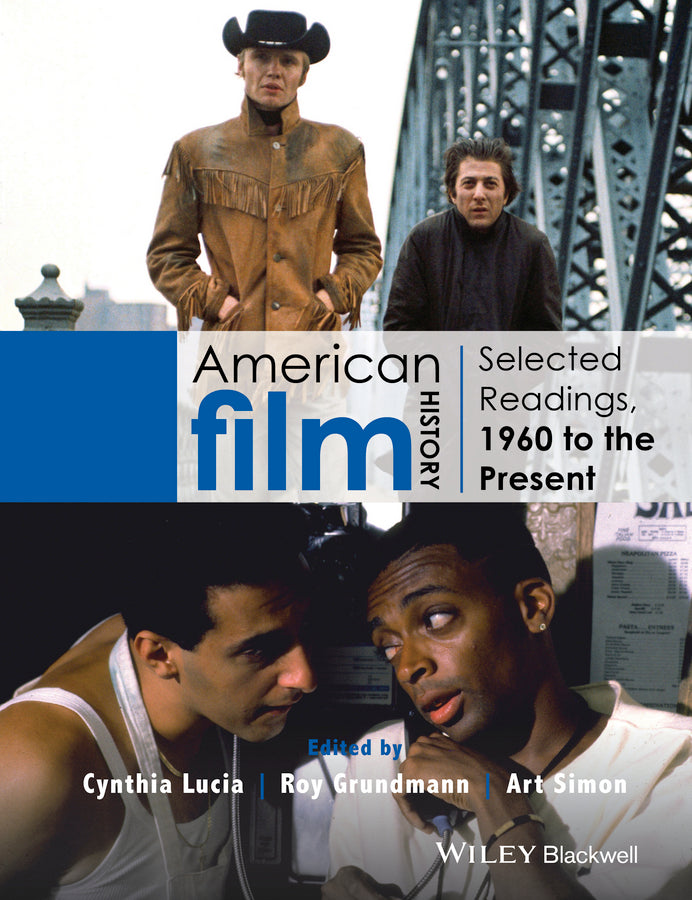
American Film History
Selected Readings, 1960 to the Present
“A superior balancing of the layers of U.S. cultural history, the complex contours of the American film industry, and analysis of specific movies. Featuring a range of top-notch scholars and historians, this excellent collection counterpoints the usual long-shot perspective of most film histories with close-up investigations of key issues and practices. Ideal for any serious course in American cinema histories.” "We encounter fresh perspectives on some extraordinary movies and the people behind them. An admirable contribution to the vital task of understanding the last fifty years of American film history." "American Film History is a landmark achievement. The editors have expertly assembled an unprecedented array of estimable film scholars to produce a uniquely comprehensive, critical, lively and diversitarian history of American film since the 1960s. It is certain to be an indispensable resource for all serious students of the cinema."
Timothy Corrigan, University of Pennsylvania
Julian Stringer, University of Nottingham
Jerome Christensen, University of California, Irvine
Cynthia Lucia (Edited by), Roy Grundmann (Edited by), Art Simon (Edited by)
9781118475126, Wiley
Paperback / softback, published 21 August 2015
528 pages
25.2 x 19.3 x 3.6 cm, 0.953 kg
From the American underground film to the blockbuster superhero, this authoritative collection of introductory and specialized readings explores the core issues and developments in American cinematic history during the second half of the twentieth-century through the present day.
Volume II: 1960 to the Present Acknowledgments xii Preface xiii Part I 1960–1975 1 Setting the Stage: American Film History, 1960–1975 3 Notes 21 References 21 2 Adults Only: Low-Budget Exploitation 23 Note 35 References 35 3 Black Representation in Independent Cinema: From Civil Rights to Black Power 37 Notes 52 References 54 4 Cinema Direct and Indirect: American Documentary, 1960–1975 56 Notes 70 References 70 5 Comedy and the Dismantling of the Hollywood Western 72 Note 86 References 86 6 The New Hollywood 87 Notes 103 References 103 7 “One Big Lousy X”: The Cinema of Urban Crisis 105 References 118 8 Nashville: Putting on the Show: Or, Paradoxes of the “Instant” and the “Moment” 120 Notes 131 References 132 9 Cinema and the Age of Television, 1946–1975 134 Notes 146 References 146 Part II 1976–1990 10 Setting the Stage: American Film History, 1976–1990 151 Notes 173 References 173 11 Seismic Shifts in the American Film Industry 175 Notes 188 References 188 12 Independent Film: 1980s to the Present 190 References 204 13 Reclaiming the Black Family: Charles Burnett, Julie Dash, and the “L.A. Rebellion” 205 Notes 218 References 221 14 Feminism, Cinema, and Film Criticism 223 References 238 15 American Avant-Garde Cinema from 1970 to the Present 241 Note 258 References 258 16 A Reintroduction to the American Horror Film 259 Note 274 References 274 17 Back to the Future: Hollywood and Reagan’s America 275 References 285 18 “Stayin’ Alive”: The Post-Studio Hollywood Musical 286 Notes 301 References 302 Part III 1991 to the Present 19 Setting the Stage: American Film History, 1991 to the Present 307 Notes 329 References 329 20 The Queer 1990s: The Challenge and Failure of Radical Change 330 Notes 344 References 346 21 24/7: Cable Television, Hollywood, and the Narrative Feature Film 347 Notes 360 References 360 22 Plasmatics and Prisons: The Morph and the Spectacular Emergence of CGI 362 References 375 23 Mainstream Documentary since 1999 376 References 391 24 Truthiness Is Stranger than Fictition: The “New Biopic” 393 Notes 407 25 “Asia” as Global Hollywood Commodity 408 Notes 421 References 422 26 The Blockbuster Superhero 423 Notes 437 References 437 27 Limited Engagement: The Iraq War on Film 438 Notes 453 References 453 28 The Biggest Independent Pictures Ever Made: Industrial Reflexivity Today 454 Notes 468 References 469 29 Writing American Film History 471 References 481 Index 483 Volume I: Origins to 1960 Acknowledgments xii Preface xiii Part I Origins to 1928 1 Setting the Stage: American Film History, Origins to 1928 3 References 16 2 D. W. Griffith and the Development of American Narrative Cinema 18 Notes 34 References 34 3 Women and the Silent Screen 36 References 51 4 African-Americans and Silent Films 54 Notes 68 References 68 5 Chaplin and Silent Film Comedy 70 References 84 6 Erich von Stroheim and Cecil B. DeMille: Early Hollywood and the Discourse of Directorial “Genius” 85 Notes 97 References 97 7 The Star System 99 Notes 112 References 113 8 Synchronized Sound Comes to the Cinema 115 Notes 128 References 129 Part II 1929–1945 9 Setting the Stage: American Film History, 1929–1945 133 Note 151 References 151 10 Era of the Moguls: The Studio System 153 References 173 11 “As Close to Real Life as Hollywood Ever Gets”: Headline Pictures, Topical Movies, Editorial Cinema, and Studio Realism in the 1930s 175 Notes 194 References 198 12 Early American Avant-Garde Cinema 200 Notes 214 References 214 13 “Let ’Em Have It”: The Ironic Fate of the 1930s Hollywood Gangster 215 Notes 230 References 230 14 Landscapes of Fantasy, Gardens of Deceit: The Adventure Film between Colonialism and Tourism 231 Notes 245 References 246 15 Cinema and the Modern Woman 248 Notes 262 References 262 16 Queering the (New) Deal 264 Notes 280 References 280 17 There’s No Place Like Home: The Hollywood Folk Musical 282 Notes 295 References 296 18 The Magician: Orson Welles and Film Style 297 Notes 309 References 310 19 Classical Cel Animation, World War II, and Bambi 311 Notes 324 References 325 20 Mapping Whywefight: Frank Capra and the US Army Orientation Film in World War II 326 Notes 339 References 339 21 a Victory “uneasy with Its Contrasts”: the Hollywood Left Fights World War II 341 Notes 356 References 359 22 Hollywood as Historian, 1929–1945 361 Notes 377 References 377 Part III 1945–1960 23 Setting the Stage: American Film History, 1945–1960 383 References 397 24 Taking Stock at War’s End: Gender, Genre, and Hollywood Labor in The Strange Love of Martha Ivers 398 Notes 419 References 421 25 Natalie Wood: Studio Stardom and Hollywood in Transition 423 Notes 444 References 446 26 The Politics of Force of Evil: An Analysis of Abraham Polonsky’s Preblacklist Film 448 Notes 467 References 469 27 The Actors Studio in the Early Cold War 471 Notes 485 References 485 28 Authorship and Billy Wilder 486 Notes 501 References 501 29 Cold War Thrillers 503 References 519 30 American Underground Film 520 Note 535 References 535 Index 537
Eric Schaefer
Alex Lykidis
Charles Warren
Teresa Podlesney
Derek Nystrom
Art Simon
Thomas Elsaesser
Michele Hilmes
Thomas Schatz
Geoff King
Janet K. Cutler
Lucy Fischer
Scott MacDonald
Adam Lowenstein
Susan Jeffords
Karen Backstein
Michael Bronski
Barbara Klinger
Kristen Whissel
Patricia Aufderheide
Michael Sicinski
Kenneth Chan
Bart Beaty
Susan L. Carruthers
J. D. Connor
Robert Sklar
Charlie Keil
Shelley Stamp
Paula J. Massood
Charles J. Maland
Gaylyn Studlar
Mark Lynn Anderson
Paul Young
Matthew H. Bernstein
Richard Maltby
Jan-Christopher Horak
Ruth Vasey
Hans Jürgen Wulff
Veronica Pravadelli
David M. Lugowski
Desirée J. Garcia
James Naremore
Kirsten Moana Thompson
Charles Wolfe
Saverio Giovacchini
J. E. Smyth
Roy Grundmann
Cynthia Lucia
Christine Noll Brinckmann
Cynthia Baron & Beckett Warren
Robert Sklar
R. Barton Palmer
Jared Rapfogel
Subject Areas: Society & culture: general [JF]